Rubber mats are widely used in homes, gyms, vehicles, and commercial spaces because of their durability, slip resistance, and easy maintenance. From floor mats at entrances to car mats and gym mats, rubber surfaces handle heavy use daily. However, dirt buildup, moisture, and neglect can reduce their lifespan and hygiene.
Knowing how to clean rubber mats the right way helps maintain cleanliness, prevents odors, and extends usability. This guide explains simple DIY methods, natural cleaning solutions, and maintenance tips so you can keep your rubber mats looking new for years.
Understanding Different Types of Rubber Mats
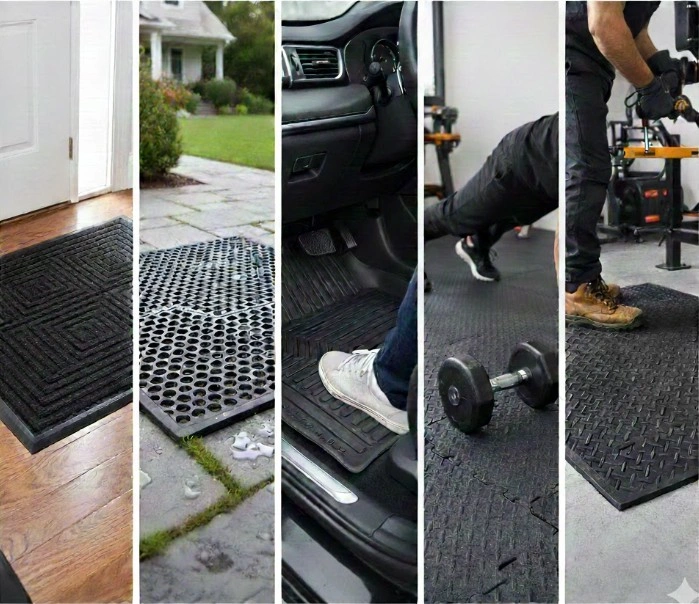
Before starting rubber mat cleaning, it’s important to understand the type of mat you’re dealing with. Different rubber mats require slightly different care.
Common Types of Rubber Mats
-
Indoor rubber floor mats: Used in kitchens, bathrooms, and entryways
-
Outdoor rubber mats: Exposed to mud, rain, and sunlight
-
Car mats: Collect dust, food crumbs, oil, and moisture
-
Gym mats and rubber gym flooring: Absorb sweat and bacteria
-
Industrial or heavy-duty mats: Used in workshops and commercial areas
Natural rubber mats are more flexible but sensitive to harsh chemicals, while synthetic rubber mats are more resistant but can lose shine over time. Always check manufacturer instructions before using any rubber floor mat cleaner.
Common Dirt and Damage Issues in Rubber Mats
Rubber mats are designed to withstand wear, but daily use exposes them to several problems. Dust, sand, and mud can become embedded in textured surfaces, making routine cleaning essential. Oil and grease stains are common in garages and vehicles, especially on car mats.
In gyms, sweat and moisture can lead to unpleasant odors, bacteria buildup, and mold if cleaning rubber gym flooring is neglected. Outdoor mats may fade or crack due to prolonged sun exposure and weather changes. Over time, improper maintenance can cause curling edges, reduced grip, and surface damage.
Understanding these issues helps you choose the correct rubber floor mat cleaner and cleaning frequency.
Basic Tools and Supplies for Cleaning Rubber Mats
You don’t need expensive products for effective rubber mat cleaning. Most tools are already available at home.
Basic Cleaning Supplies:
-
Mild liquid detergent or dish soap
-
Warm water
-
Soft-bristle brush or sponge
-
Microfiber cloth or mop
Natural DIY Add-ons:
-
Baking soda
-
White vinegar
-
Lemon juice
Optional Tools:
-
Hose or bucket
-
Low-pressure water spray
-
Gloves for hygiene
Avoid abrasive brushes, strong acids, or petroleum-based cleaners as they can damage rubber surfaces.
Step-by-Step Guide: How to Clean Rubber Mats at Home
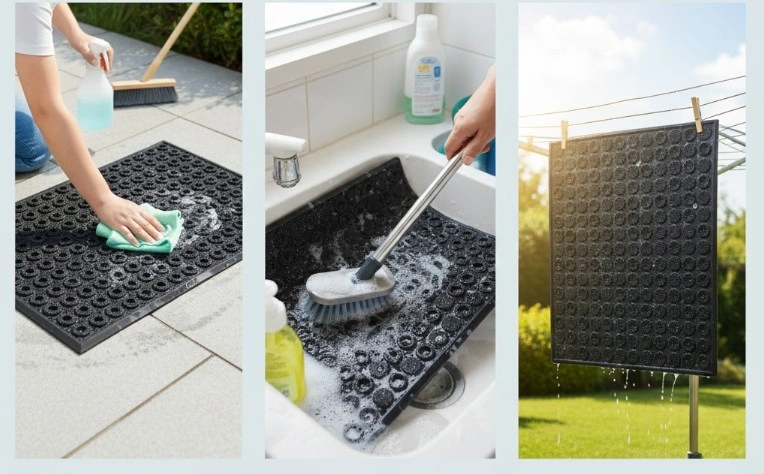
1. Daily or Light Cleaning Routine
For lightly soiled rubber mats used indoors or at entrances:
-
Shake the mat outdoors to remove loose dirt
-
Vacuum dust and debris
-
Wipe with a damp cloth for surface cleaning
This quick routine prevents dirt buildup and keeps floor mats fresh.
2. Deep Cleaning Method (Weekly or Monthly)
For a thorough clean, follow these steps:
-
Take the mat outside or to a wash area
-
Rinse with clean water to remove surface dirt
-
Mix mild detergent with warm water
-
Scrub gently using a soft brush
-
Focus on corners and textured areas
-
Rinse thoroughly to remove soap residue
This method works well for clean rubber floor mats, outdoor mats, and heavily used areas.
3. Drying Rubber Mats Properly
Proper drying is just as important as cleaning.
-
Shake off excess water
-
Air dry in a shaded, well-ventilated area
-
Avoid direct sunlight for long periods
-
Never use direct heat like heaters or dryers
Complete drying prevents mold growth and rubber hardening.
DIY Natural Cleaning Solutions for Rubber Mats
Natural cleaning solutions are effective, affordable, and safe for regular use. Baking soda mixed with warm water helps neutralize odors and lift stains. This solution works particularly well for gym mats and car mats exposed to moisture.
A vinegar and water mixture is excellent for disinfecting rubber surfaces and removing bacteria. It’s a popular choice for how to clean gym mats without using harsh chemicals. Adding a few drops of lemon juice can leave a fresh scent while enhancing cleaning power.
Avoid using bleach or strong solvents unless recommended by the manufacturer, as they may damage the rubber over time.
Cleaning Rubber Mats by Application Type
-
Gym & Fitness Rubber Mats
Gym mats accumulate sweat, body oils, and bacteria. Daily wiping and weekly deep cleaning are recommended. For cleaning rubber gym flooring, avoid harsh disinfectants and stick to mild cleaners to preserve grip and texture.
-
Bathroom & Kitchen Rubber Mats
Soap residue and moisture can cause mold. Regular rinsing and proper drying help prevent slippery surfaces.
-
Car Mats
Car mats collect dust, mud, and oil. Remove them from the vehicle before cleaning. A soft brush and mild detergent are sufficient for effective rubber mat cleaning.
-
Industrial & Outdoor Mats
Outdoor rubber mats face heavy dirt and weather exposure. Occasional pressure washing is acceptable but should be done carefully to avoid surface damage.
How to Remove Tough Stains and Odors from Rubber Mats
Some stains require extra attention, especially on car mats and gym mats.
Oil and Grease Stains
-
Apply dish soap directly to the stain
-
Scrub gently with a brush
-
Rinse thoroughly
Sweat and Bacteria in Gym Mats
When learning how to clean gym mats, hygiene is critical.
-
Use a vinegar-water solution
-
Scrub thoroughly
-
Rinse and air dry completely
This method is ideal for cleaning rubber gym flooring and individual mats.
Mold and Mildew
-
Scrub with baking soda paste
-
Rinse thoroughly
-
Ensure complete drying
Always spot-test any solution before full application.
Maintenance Tips to Extend the Life of Rubber Mats
Regular maintenance keeps rubber mats functional and attractive.
Key Maintenance Tips:
-
Clean mats regularly based on usage
-
Rotate mats to distribute wear evenly
-
Avoid prolonged exposure to sunlight
-
Keep mats dry to prevent mold
-
Store unused mats flat in cool, dry areas
Applying these tips ensures long-term performance for floor mats, gym mats, and car mats.
Common Mistakes to Avoid When Cleaning Rubber Mats
Avoid these mistakes to prevent damage:
-
Using bleach or harsh chemicals
-
Scrubbing with steel wool or hard brushes
-
Pressure washing at high intensity
-
Skipping proper rinsing
-
Leaving mats wet for long periods
Gentle methods are always the best way to clean rubber mats safely.
When to Replace Rubber Mats: Signs You Shouldn’t Ignore
Even with proper care, rubber mats eventually wear out.
Signs It’s Time to Replace:
-
Visible cracks or splits
-
Loss of grip or slipping
-
Persistent odor despite cleaning
-
Curling edges or thinning material
Replacing damaged mats ensures safety, especially in gyms and vehicles.
Why Choose Rubbmat for High-Quality Rubber Mats
Rubbmat is a trusted name in premium rubber mat solutions, offering products designed for durability, safety, and easy maintenance. Their rubber mats are engineered to perform across diverse environments, including gyms, homes, vehicles, commercial spaces, and industrial areas. With a focus on material quality and surface design, Rubbmat mats are built to withstand heavy use while remaining simple to clean and maintain.
What sets Rubbmat apart is its emphasis on functional design anti-slip textures, optimal thickness, and long-lasting rubber compounds that support effective rubber mat cleaning without surface damage. Whether it’s gym mats, car mats, or rubber floor mats, Rubbmat products are developed to reduce odor buildup, resist wear, and maintain performance over time, making routine cleaning more efficient and hassle-free.
Conclusion: Clean Rubber Mats Last Longer
Knowing how to clean rubber mats correctly is essential for hygiene, safety, and durability. From gym mats to car mats and everyday floor mats, regular cleaning and proper care prevent odor, damage, and premature wear.
By following these simple DIY tips and adopting a routine maintenance schedule, you can ensure your rubber mats remain clean, functional, and long-lasting. Consistent care not only improves appearance but also protects your investment over time.
Frequently Asked Questions
1. How often should rubber mats be cleaned?
High-use gym mats should be cleaned daily, while car mats and floor mats can be cleaned weekly or monthly depending on use.
2. Can rubber mats be pressure washed?
Yes, but only at low pressure and from a safe distance to avoid surface damage.
3. What is the best way to clean rubber mats at home?
Mild soap, warm water, gentle scrubbing, and air drying provide the best results.
3. Is vinegar safe for rubber mat cleaning?
Yes, diluted vinegar is effective for odor removal when rinsed properly.