Rubber gym flooring plays a critical role in modern fitness spaces. From commercial gyms to home workout areas, rubber mats protect floors, reduce noise, and provide slip resistance. However, even the highest-quality mats can deteriorate quickly without proper care. Sweat, dirt, moisture, and bacteria buildup can all shorten their lifespan if ignored.
Using the right rubber gym floor cleaner and following consistent maintenance practices can significantly extend the life of your flooring. This guide explains practical, proven methods to keep gym mats clean, safe, and durable while preserving their appearance and performance over time.
Why Is Cleaning Rubber Flooring Essential for Gyms?
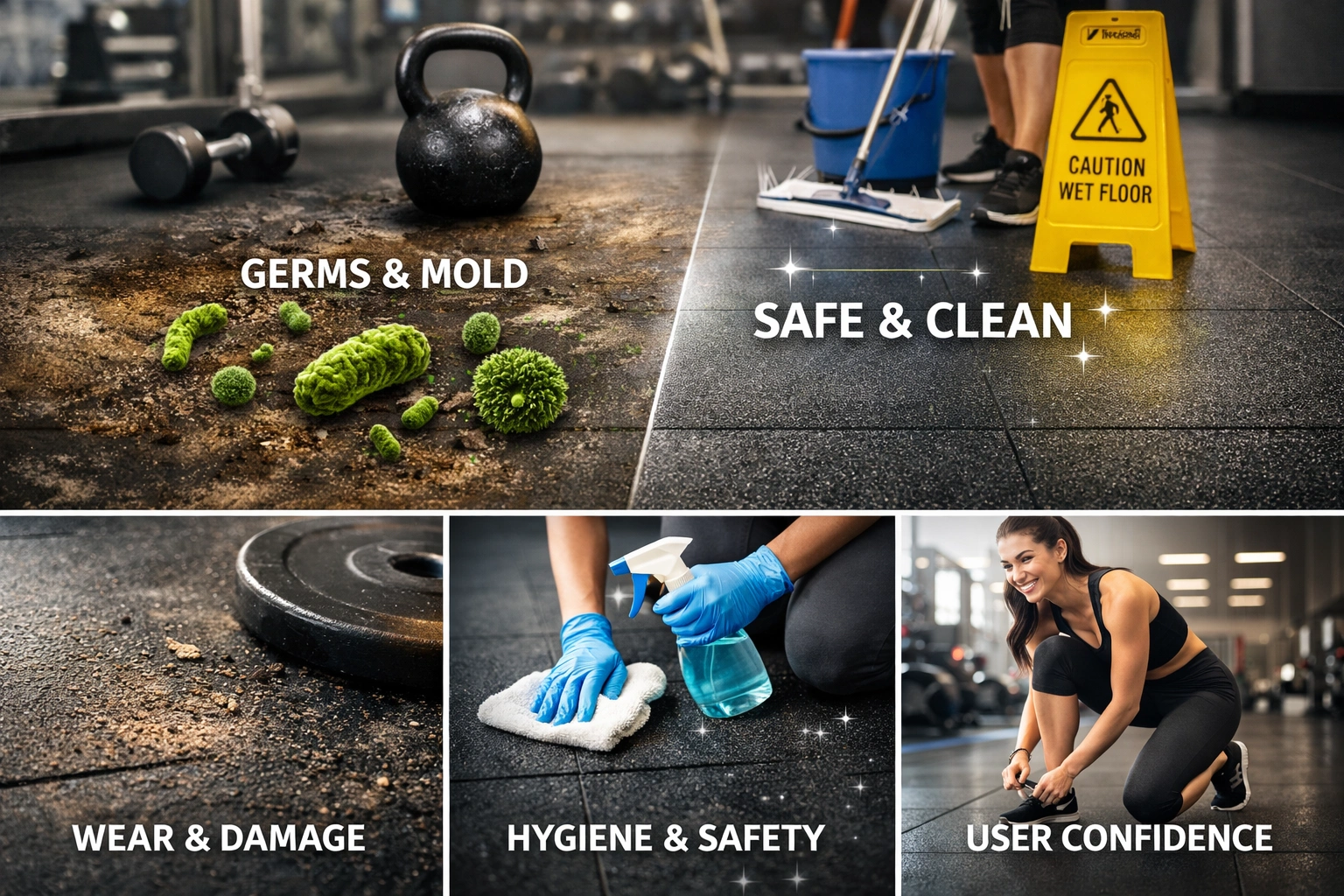
Gym floors experience constant stress from foot traffic, dropped weights, and sweat exposure. Over time, this can lead to odor, discoloration, and surface damage. Cleaning rubber flooring is not just about appearance it directly impacts hygiene and safety.
Regular cleaning reduces bacteria and mold growth that thrive in warm, damp environments. It also prevents grit and debris from wearing down the rubber surface. A well-maintained floor enhances user confidence and helps gym owners avoid costly replacements.
What Makes Rubber Gym Flooring Different From Other Floor Types?
Rubber gym mats are engineered for resilience and shock absorption. Unlike tile or wood, rubber is porous, which means it can trap moisture and dirt if not cleaned properly. This is why generic cleaners may cause more harm than good.
Using harsh chemicals or incorrect cleaning techniques can break down the rubber compound, causing cracking or fading. Choosing a compatible rubber gym floor cleaner ensures the material stays flexible, safe, and intact for years.
How Often Should Gym Floors Be Cleaned?
Cleaning frequency depends on usage levels and environment. High-traffic commercial gyms require more frequent attention than home gyms. Daily dry cleaning combined with weekly wet cleaning is generally recommended.
Deep cleaning should be scheduled monthly or quarterly, depending on foot traffic and equipment load. Consistency is key. Even the best way to clean gym mats will not be effective if done irregularly.
What Is the Best Way to Clean Rubber Gym Mats Daily?
Daily cleaning focuses on removing loose dirt, dust, and surface sweat. Dry methods such as sweeping or vacuuming are ideal for this stage. These steps prevent debris from grinding into the surface during workouts.
Spot cleaning spills immediately helps prevent staining and odor. Using a lightly damp mop with a diluted rubber-safe solution is often considered the best way to clean rubber gym mats on a daily basis without oversaturating the flooring.
How Do You Perform Weekly Wet Cleaning Safely?
Weekly wet cleaning removes sweat residue and grime that dry cleaning cannot handle. Start by sweeping or vacuuming the area thoroughly. Then, mop using warm water mixed with a rubber gym floor cleaner formulated for non-abrasive use.
Avoid excessive water, as standing moisture can seep into seams and lead to odor issues. Allow the floor to air dry completely before use. This method is widely recognized as the best way to clean rubber gym floor surfaces without causing damage.
Which Products Should You Use for Cleaning Gym Floors?
Not all cleaners are suitable for rubber flooring. Products with high acidity or strong solvents can degrade rubber over time. A neutral-pH rubber gym floor cleaner is the safest option.
Mild detergents designed for rubber surfaces are effective for routine cleaning gym floors while preserving elasticity. Natural alternatives, such as diluted vinegar solutions, can be used occasionally, but they should never replace professional-grade cleaners for long-term care.
Common Mistakes When Cleaning Rubber Flooring
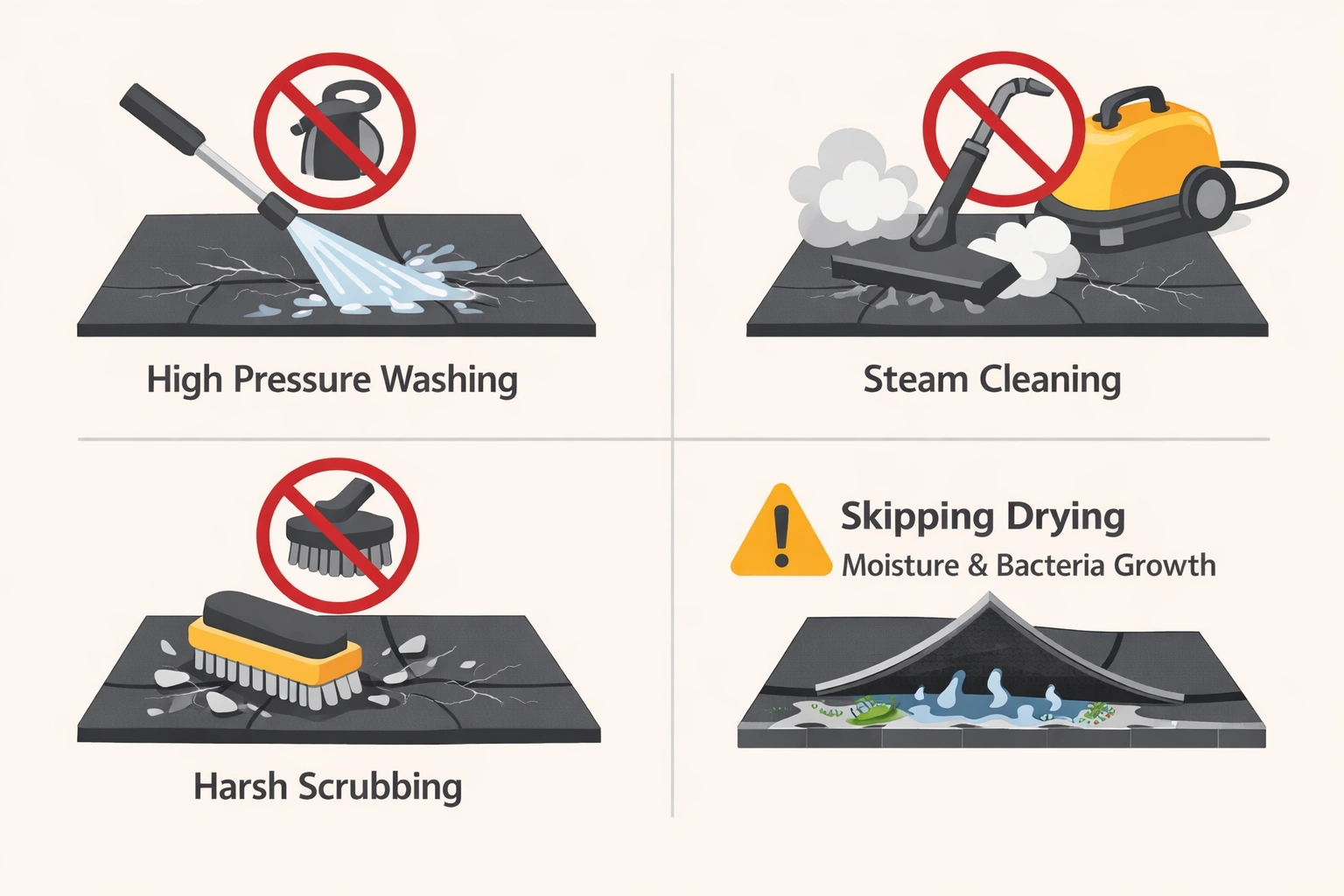
Many gym owners unintentionally damage flooring by using too much water or aggressive tools. Pressure washers, stiff brushes, and steam cleaners can weaken rubber bonds and create surface cracks.
Another common error is skipping the drying process. Moisture trapped beneath mats promotes bacteria growth and unpleasant odors. Even when following the best way to clean gym mats, proper drying is essential for success.
How Can You Prevent Odor and Bacteria Buildup?
Odor prevention starts with moisture control. Good ventilation and airflow help mats dry faster after cleaning or heavy workouts. Dehumidifiers are especially useful in enclosed gym spaces.
Using disinfectant solutions compatible with rubber helps control bacteria without harming the material. Regular cleaning gym floors combined with proper airflow creates a cleaner, healthier workout environment for users.
Best Practices for Long-Term Rubber Floor Maintenance
Routine inspections help identify early signs of wear, such as curling edges or surface cracks. Rotating mats in high-impact zones distributes wear evenly and prolongs usability.
Placing protective pads under heavy equipment reduces compression damage. These steps complement the best way to clean rubber gym floor areas by addressing physical stress factors beyond cleaning alone.
Quick Cleaning Reference Table
| Cleaning Method | Tools Needed | Frequency | Effectiveness |
|---|---|---|---|
| Vacuuming | Vacuum or broom | Daily | Medium |
| Damp wiping | Cloth, spray bottle | 2–3 times per week | High |
| Mopping with cleaner | Mop, bucket, rubber gym floor cleaner | Weekly | Very high |
| Deep cleaning | Warm water, mild soap, soft brush | Monthly | Excellent |
Which Cleaning Products Should Be Avoided?
Not all cleaning products are safe for rubber flooring. Bleach, acidic cleaners, and solvent-based solutions can break down rubber over time. Abrasive brushes can also damage the surface and reduce grip.
When cleaning rubber flooring, always choose products designed specifically for rubber. A quality rubber gym floor cleaner removes dirt and bacteria without affecting durability or safety.
How Environmental Factors Affect Rubber Gym Mats
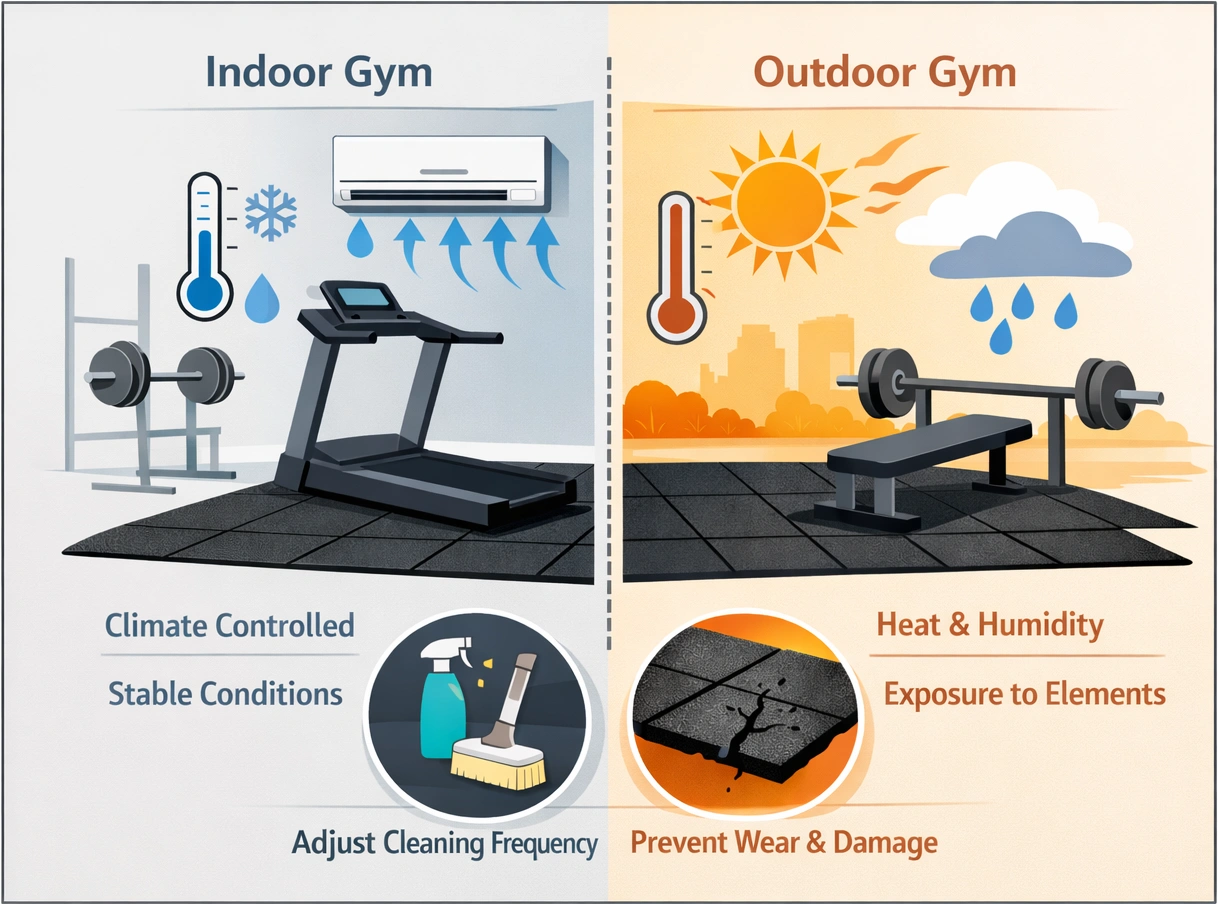
Temperature fluctuations and humidity levels impact rubber flooring performance. High humidity increases moisture retention, while extreme heat can accelerate material breakdown.
Indoor gyms benefit from climate control, but outdoor or semi-open gyms require extra care. Adjusting cleaning frequency based on environmental conditions ensures cleaning rubber flooring remains effective year-round.
Why Quality Matters When Choosing Gym Mats
High-quality rubber mats are denser, more resilient, and easier to clean. Inferior mats absorb more moisture and degrade faster, even with regular maintenance.
Investing in premium mats reduces long-term cleaning costs and simplifies cleaning gym floors. Quality materials respond better to routine care and maintain their appearance longer.
About Rubbmat: Reliable Rubber Flooring Solutions
Rubbmat is a trusted manufacturer of durable rubber flooring solutions designed for gyms, fitness centers, and commercial spaces. Their rubber mats are engineered to withstand heavy use while remaining easy to clean and maintain.
By focusing on material quality and performance, Rubbmat products support effective maintenance routines using a rubber gym floor cleaner. This makes them an ideal choice for gym owners seeking long-lasting, low-maintenance flooring solutions.
How Does Proper Cleaning Extend Gym Floor Lifespan?
Consistent cleaning removes abrasive particles that cause surface wear. It also prevents chemical damage caused by sweat and spills. Over time, these practices protect both appearance and structural integrity.
Following the best way to clean rubber gym mats ensures the flooring remains safe, odor-free, and visually appealing. Proper care is always more cost-effective than replacement.
Conclusion: Keeping Rubber Gym Floors in Peak Condition
Maintaining rubber gym flooring does not require complicated methods, but it does demand consistency and the right products. Using a suitable rubber gym floor cleaner, controlling moisture, and following safe cleaning techniques are essential steps.
By understanding the best way to clean gym mats and avoiding common mistakes, gym owners can significantly extend the lifespan of their flooring. Clean floors contribute to better hygiene, improved user experience, and long-term savings.
Frequently Asked Questions (FAQ)
1. What is the safest rubber gym floor cleaner to use?
A neutral-pH cleaner designed specifically for rubber flooring is the safest and most effective option.
2. How often should cleaning gym floors be done in commercial gyms?
Daily dry cleaning and weekly wet cleaning are recommended for high-traffic facilities.
3. Is mopping the best way to clean rubber gym floor surfaces?
Yes, when done with minimal water and a rubber-safe cleaner, damp mopping is highly effective.
4. Can improper cleaning damage rubber mats?
Yes, excessive water, harsh chemicals, or abrasive tools can shorten mat lifespan.