Choosing the right workout surface plays a critical role in safety, comfort, and long-term performance. With so many gym flooring options available today, two of the most popular choices are rubber gym flooring and foam mats.
Both are commonly used in fitness spaces, but their durability, lifespan, and maintenance needs vary greatly. This guide provides a clear exercise mat comparison to help you decide which option lasts longer and delivers better value for home and commercial gym surfaces.
What Are Rubber Gym Flooring and Foam Mats?
When setting up a gym, understanding the materials you’re investing in is essential.
Rubber gym flooring is made from recycled rubber or synthetic compounds. It is dense, heavy-duty, and designed to handle repeated impact. This makes it ideal for strength training areas, high-traffic zones, and commercial facilities.
Rubber flooring is available in rolls, tiles, and interlocking mats. These formats allow flexibility for different gym layouts while maintaining stability and durability.
Foam mats, typically made from EVA foam, are lightweight and cushioned. They are commonly used in home gyms, yoga spaces, and stretching areas. Foam provides comfort and shock absorption but lacks the structural strength of rubber.
Both materials fall under popular gym flooring options, but their long-term performance depends heavily on usage and workout intensity.
Why Gym Flooring Choice Impacts Performance and Safety
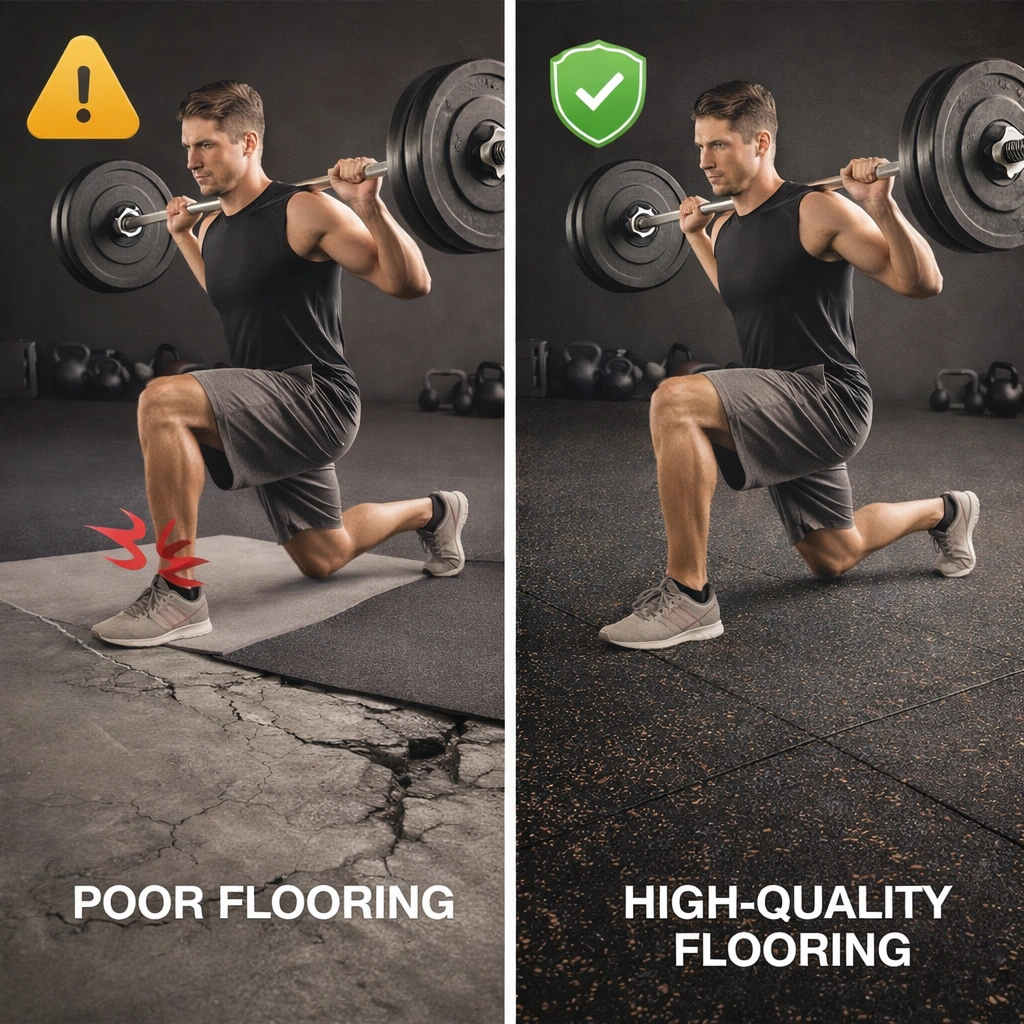
Gym flooring does more than support workouts. It absorbs shock, reduces injury risk, and protects the subfloor from damage.
Poor flooring can lead to slips, uneven surfaces, and joint strain. Over time, this increases the risk of injuries and reduces workout efficiency. High-quality fitness flooring creates a stable base, allowing users to train with confidence.
For anyone building home gym flooring or managing commercial gym flooring, selecting durable materials ensures safer workouts and fewer long-term expenses.
Rubber Gym Flooring vs Foam Mats: Material Strength Comparison
Material density is the biggest difference between these two flooring types.
Rubber gym flooring maintains its shape under pressure. It resists dents, tearing, and surface breakdown even during intense workouts. This makes rubber one of the most impact-resistant gym mats available.
Foam mats compress under weight. Over time, this compression reduces support and stability. Once foam loses its structure, it no longer protects joints or equipment effectively.
This difference in density directly affects durability, safety, and performance.
Which Flooring Handles Heavy Weights Better?
For weightlifting and equipment-based workouts, rubber clearly performs better.
Rubber flooring supports barbells, racks, treadmills, and strength machines without damage. It distributes weight evenly and protects both the equipment and the subfloor.
Foam mats are not designed for heavy loads. Even moderate weights can cause tearing or permanent dents. This makes foam unsuitable for intense training or commercial gym flooring environments.
How Durable Is Rubber Gym Flooring?
Rubber gym flooring is known for long-term durability. It handles constant foot traffic, dropped weights, and high-impact workouts with ease.
Factors that affect rubber mat longevity:
-
Workout intensity: Heavy lifting and HIIT demand stronger flooring
-
Traffic: Rubber performs well in high-use areas
-
Maintenance: Easy-to-clean gym mats last longer
With proper care, heavy-duty flooring can last 10–15 years or more. This durability makes rubber a reliable choice for professional and personal fitness spaces.
How Durable Are Foam Mats?
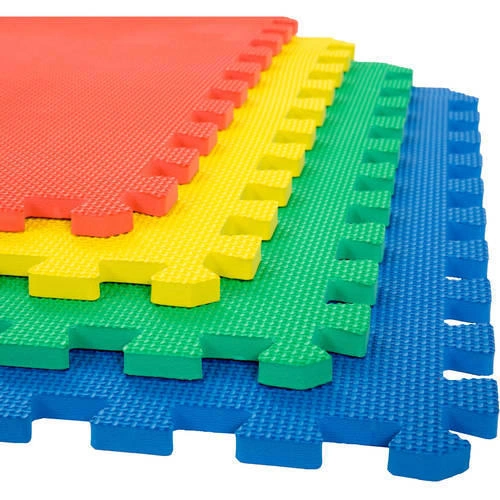
Foam mats prioritize comfort rather than longevity. They are ideal for floor exercises, stretching, and low-impact workouts.
However, frequent use reduces their lifespan.
Factors affecting foam tile durability:
-
Weight: Heavy equipment causes dents and tears
-
Frequency: Daily use accelerates wear
-
Cleaning: Moisture buildup reduces lifespan
In most cases, foam mats last 3–5 years in home gyms. Their shorter fitness mat lifespan limits their suitability for demanding environments.
Rubber Gym Flooring vs Foam Mats: Wear and Tear Comparison
When comparing rubber gym flooring vs foam mats, durability is the defining factor.
Rubber excels in high-traffic gym flooring areas. It maintains surface integrity even under continuous use. Foam mats, however, show wear much sooner.
Here’s a quick comparison:
Feature |
Rubber Gym Flooring |
Foam Mats |
|
Lifespan |
10–15 years |
3–5 years |
|
Impact Resistance |
High |
Medium |
|
Maintenance |
Easy |
Moderate |
|
Comfort |
Firm and stable |
Soft and cushioned |
|
Best Use |
Commercial gyms, heavy home gyms |
Yoga, stretching, light workouts |
Maintenance and Cleaning Differences
Proper gym floor maintenance directly affects lifespan.
Rubber gym flooring requires minimal effort to maintain. Regular sweeping and occasional mopping keep it clean and hygienic. It resists moisture, stains, and odors.
Foam mats need more frequent cleaning. Sweat absorption can lead to odor buildup and hygiene issues. Deep cleaning is often required to extend usability.
Over time, maintenance demands influence the overall cost-effective gym flooring decision.
Cost vs Longevity: Which Gives Better Value?
Upfront cost often influences flooring decisions.
Rubber gym flooring costs more initially but requires fewer replacements. Foam mats are cheaper at first but degrade faster.
When choosing cost-effective gym flooring, consider:
-
Initial investment
-
Replacement frequency
-
Maintenance effort
-
Long-term performance
Over time, rubber flooring provides stronger value for both home and commercial use.
Best Choice for Home Gym Flooring
Foam mats work well for stretching, yoga, and bodyweight exercises. They are comfortable and easy to install.
However, individuals using weights or machines benefit more from rubber gym flooring. Its durability supports consistent training without frequent upgrades.
Best Choice for Commercial Gym Flooring
Commercial facilities require durable gym flooring that withstands heavy equipment and constant foot traffic.
Rubber is the preferred solution for gyms, studios, and fitness centers. Foam mats are best used in warm-up or recovery zones.
RubbMat: Trusted Rubber Gym Flooring Manufacturer and Exporter
RubbMat, a leading rubber mat manufacturer and exporter in India, offers high-quality rubber gym flooring for home and commercial gyms. Their durable, impact-resistant mats are designed for heavy use, easy maintenance, and long-lasting performance, making them a reliable choice for anyone seeking cost-effective gym flooring.
Rubber Gym Flooring vs Foam Mats: Final Verdict
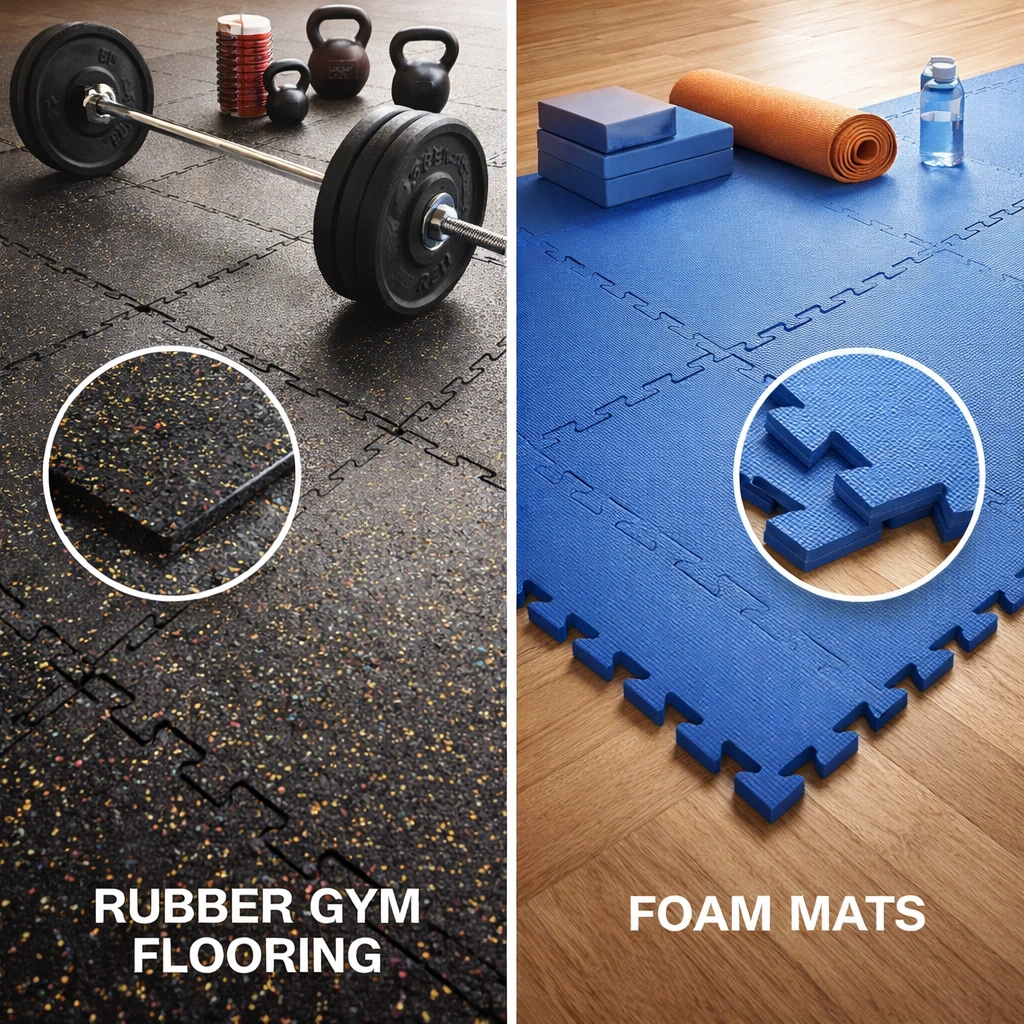
When comparing durability, safety, and maintenance, rubber gym flooring clearly lasts longer than foam mats.
Foam mats serve comfort-focused roles, but rubber supports long-term fitness goals across all environments.
What Users and Experts Say
Fitness professionals consistently favor rubber flooring for reliability. Reviews confirm its superior performance on home and commercial gym surfaces, even under intense use.
Foam mats receive positive feedback for comfort but often require earlier replacement. Most gym flooring reviews identify rubber as the long-lasting solution.
Conclusion
When deciding between rubber gym flooring vs foam mats, durability should guide your choice. Rubber performs better in high-traffic gym flooring, supports heavy equipment, and offers long-term value.
Foam mats work well for light exercise but fall short in demanding setups. Investing in durable fitness flooring ensures safer, more effective workouts for years to come.
FAQs
1. Is rubber gym flooring better than foam mats?
Yes. Rubber offers higher durability and a longer lifespan.
2. Can foam mats handle gym equipment?
Foam mats are not recommended for heavy equipment.
3. Which flooring lasts longer overall?
Rubber gym flooring consistently outlasts foam mats.
4. Are foam mats good for heavy weights?
No. Foam mats compress and tear under repeated stress.
5. Which flooring is easier to maintain: rubber or foam?
Rubber flooring is easier to maintain and resists moisture and odors.
6. Can foam mats handle intense workouts?
Foam mats are best for light exercise. Rubber flooring performs better during intense training.